How to Choose a Private Luxury Experience in Barcelona
Choosing a premium experience in Barcelona is less about picking the longest itinerary and more about matching the day to the way you want to move, eat, learn and see the city. The best options feel smooth from the first conversation to the final drop off. They also leave room for the small pauses that make a place stay with you, such as a quiet courtyard, a tasting poured at the right temperature or a view that appears only after the crowds thin.
Start by deciding what kind of day you want. Barcelona rewards a range of approaches, from architecture-led routes through Eixample to coastal time near the harbour, from food-focused afternoons to art-filled mornings. A private format works well when the plan needs to flex around your pace, your interests and the rhythm of the city. Before comparing providers or themes, write down the outcome you want. That simple step makes later choices much easier.
Define the purpose of the day
Think about the main reason for booking. Is the aim to understand Gaudí and the city's modernisme, to eat well, to see the coast from a different angle, or to combine several highlights without feeling rushed? A day built around one strong theme often feels more polished than a packed route with too many stops. For example, an architecture day can pair Sagrada Família, Casa Batlló and a walk through Passeig de Gràcia, with time to look up and take in details. A food day might centre on a market, a seated tasting and a relaxed meal.
Be honest about energy levels too. Barcelona's streets are walkable, but heat, hills and long lunches can change the shape of a day. If the plan includes several neighbourhoods, check how transfers are handled and whether there are proper breaks. Luxury should not mean constant motion. It should mean that the day has been shaped so that the interesting parts get your full attention.
Set the guest profile before comparing options
The right plan depends heavily on who is joining. Adults with a deep interest in design may enjoy a longer museum segment. Families may need shorter stretches, clear meeting points and meals that suit younger guests. Couples may prefer a slower route with a scenic stop and a well-timed dinner. Older travellers may value step-free access, shaded seating and fewer changes of venue.
Make a short note of practical needs before you enquire. Include mobility requirements, dietary restrictions, language preferences, the age range of guests and any must-see places. These details help shape the route early and prevent awkward changes later. If a stop involves stairs, cobbles, long waits or limited seating, ask about it before committing. A plan can look elegant on paper and still feel tiring if the physical details have been ignored.
Choose the right theme for the city
Barcelona has several strong lanes for a premium visit, and each suits a different mood. Architecture and design give the day a clear visual thread. Food and wine suit travellers who want the city through its flavours. Coastal plans work well when the weather is good and the pace can be slower. Art and museum routes are useful on hot or rainy days, especially when entry planning matters.
When comparing barcelona luxury tours, look at how each theme is built rather than how many famous names appear in the description. A strong plan explains why a stop matters and how the pieces connect. A weak one simply lists landmarks. The best routes also account for timing. Some places are better early, some shine later, and some are worth visiting only when there is enough time to look properly.
Dining can lift a day when it is placed with care. Michelin-starred dining may suit a celebration or a guest who treats food as a central part of travel. private wine tastings can fit neatly into an afternoon, particularly when paired with a light lunch or a relaxed evening. bespoke shopping experiences work best for people who already know what they want from fashion, design or local crafts. These additions should support the day, not turn it into a sequence of bookings.
Check how private the experience really is
The word private can be used loosely, so clarify what it means for the day you are considering. Ask whether the vehicle, guide and route are shared with anyone outside your group. Find out who joins which parts of the itinerary, especially when a restaurant, tasting or museum segment is included. A route may be private for the walking portion but shared during another element.
Also check the size of the group. A smaller group tends to move more easily through narrow streets, lifts and restaurant tables. It also allows questions to feel natural. If there are children, guests with limited mobility or people who need a slower pace, group size matters even more. A good plan should be able to absorb those needs without making the day feel fragmented.
Look closely at timing and route logic
A premium day should respect distance and timing. Barcelona is compact in some areas and surprisingly time consuming in others. Traffic, queues, long dining services and the layout of major sights can all shape the day. Ask for a sample schedule, then read it as a route rather than a list. Are the stops clustered sensibly? Is there enough time at each place? Does the plan allow a proper lunch instead of a rushed sandwich between landmarks?
Watch for itineraries that try to cover the Gothic Quarter, Park Güell, Sagrada Família, Montjuïc and the waterfront in one short window. That may be possible in a basic sense, but it often leaves little room to experience any of them. A calmer route with three or four well-chosen stops usually feels better. If a place matters a great deal, protect time there and remove something less important.
Ask what is included and what needs separate planning
Clarity prevents disappointment. Confirm which admissions, meals, tastings, transfers and equipment are part of the day, and which are arranged separately. Entry rules can change by season and by venue, so it is wise to ask when reservations are made and what happens if a site is closed. A plan built around a major landmark should have a sensible alternative if access is limited on the day.
Pay attention to the small details that affect comfort. Does the plan include water? Is there a place to store coats or shopping bags? Are restrooms built into the route? Can lunch be adjusted for allergies or religious dietary needs? These questions may sound ordinary, but they often decide whether a day feels effortless.
Match transport to the route
Transport should serve the itinerary, not become the point of it. Some routes work best on foot with short transfers. Others benefit from a car, especially when moving between hills, the coast and central neighbourhoods. luxury vehicle upgrades can add comfort and privacy, but they are most useful when the route genuinely needs them. If most of the day is spent in a dense walking area, a car may offer little beyond arrival and departure.
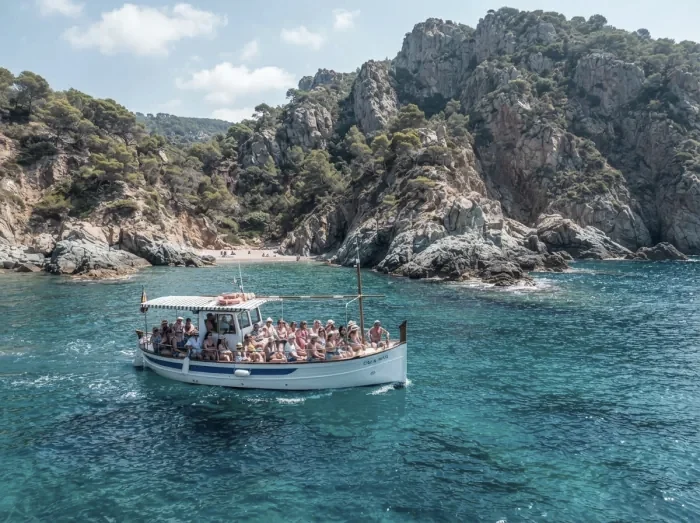
Check pickup and drop-off points before booking a tied-to-itinerary transfer. Confirm whether the driver stays nearby, whether parking is likely to be difficult and how much walking remains after drop-off. For coastal plans, yacht harbour cruises can create a memorable change of pace, but the itinerary should still say how guests reach the harbour, what happens on board and how the rest of the day connects.
Decide whether a special access element is worth it
Some travellers want a day that feels rare, with access that is harder to arrange independently. exclusive museum tours can be valuable when the subject is handled with depth rather than simply opened after hours. penthouse apartment visits may suit guests interested in architecture, interiors and city views, provided the visit fits naturally into the route. helicopter city tours offer a broad view of the city and coastline, though weather and timing can affect the experience.
With any special element, ask how much time is actually spent there and what the surrounding plan looks like. A short access highlight followed by a confused route will not feel premium. The strongest itineraries use one distinctive element as a hinge, then build the rest of the day around it.
Read the wording for clarity
A clear description is often a good sign. It should name the areas visited, explain the pace, identify major inclusions and state what guests should bring or know in advance. Vague language can hide a thin plan. Phrases that promise the best of everything without saying how the day works deserve closer scrutiny.
At the same time, flexibility matters. Barcelona weather, closures and local events can change plans. Ask what alternatives exist if a preferred stop is unavailable and whether the route can be adjusted without losing the point of the day. A thoughtful plan has backup choices that still suit the theme, rather than a random substitute.
Compare value, not just features
Once the basics are clear, compare options on what they deliver as a complete experience. A higher tier is not automatically better. Consider the quality of the route, the depth of the guiding, the comfort of transfers, the choice of dining and the amount of free time. A plan with fewer stops but better pacing may offer more than a long list of attractions.

Use a short comparison before deciding. Look at the purpose, the route, the inclusions and the pace for each option. Then check whether any guest needs have been overlooked. This keeps the choice grounded and prevents a single impressive feature from carrying too much weight.
Confirm the practical details before you commit
Before finalising, run through the day as it would actually unfold. Where does the group meet? What happens if someone arrives a little late? How long is the walk between stops? Is the meal seated or informal? Are tickets held in advance? What is the plan if rain changes the route? Clear answers to these questions help avoid the feeling that the day is being assembled on the spot.
Also make sure the plan leaves space. Barcelona has a habit of rewarding unplanned moments, from a facade noticed on a corner to a terrace that looks inviting at the right hour. A well-built premium day does not fill every minute. It gives the group enough structure to feel looked after and enough breathing room to enjoy the city.
The final choice should feel easy to explain. If the route suits the guests, the timing is realistic, the inclusions are clear and the day has one strong idea running through it, the experience is far more likely to feel worth the booking. Choose the plan that fits the people and the pace, then let the city provide the rest.